
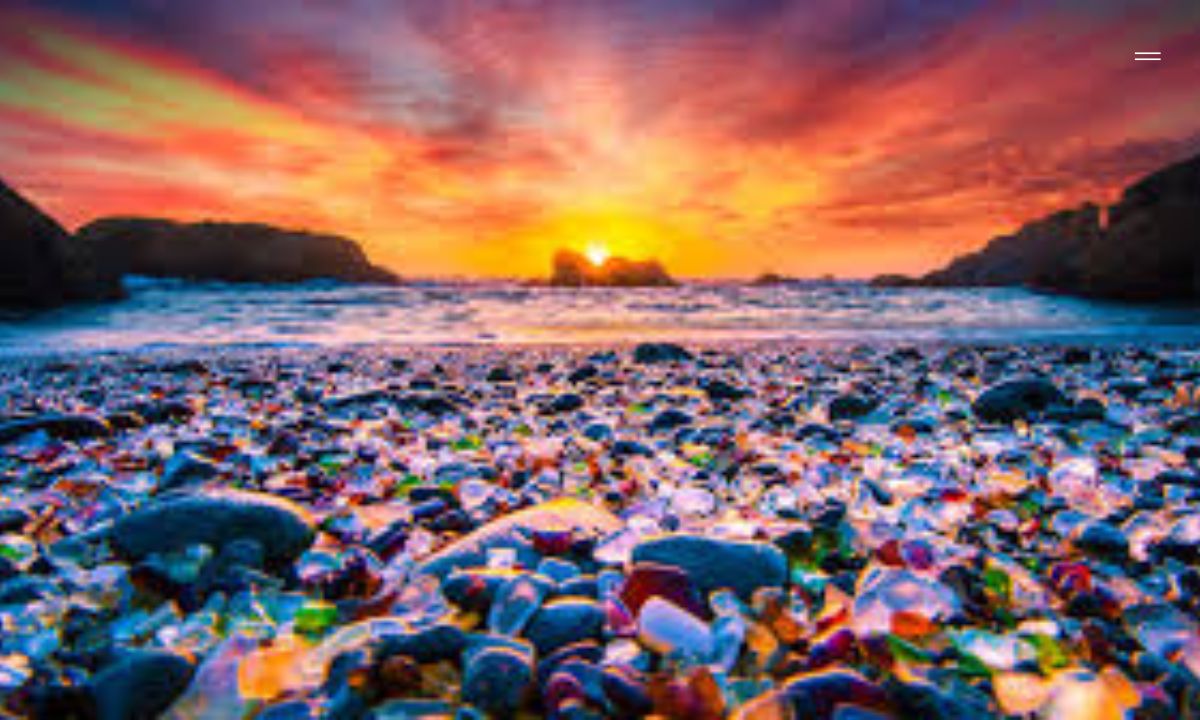

Florida is famous for its white-sand beaches, crystal-clear springs, and stunning coastal landscapes. However, one lesser-known destination that continues to attract curious travelers and beachcombers is Glass Pebble Beach. Unlike traditional sandy shorelines, this unique coastal spot features colorful glass pebbles shaped and polished by years of wave action. The result is a fascinating natural display that resembles scattered gemstones along the shoreline.
In this guide, you’ll discover the history behind Glass Pebble Beach Florida, where it is located, what makes it special, and how to plan the perfect visit. Whether you’re a nature enthusiast, photographer, collector, or simply looking for an unusual Florida attraction, this hidden Gulf Coast treasure offers a memorable experience that stands apart from the state’s more famous beaches.
Bio Table
| Feature | Details |
| Name | Glass Pebble Beach |
| Location | Florida Gulf Coast |
| Beach Type | Glass pebble shoreline |
| Known For | Colorful sea glass and polished pebbles |
| Popular Activities | Beachcombing, photography, sightseeing |
| Best Visiting Season | Fall through Spring |
| Accessibility | Public access in designated areas |
| Family Friendly | Yes |
| Photography Opportunities | Excellent |
| Environmental Importance | Coastal conservation and preservation |
The History of Glass Pebble Beach
The story of Glass Pebble Beach begins decades ago when coastal communities often used shoreline areas as informal dumping grounds. Broken bottles, household glass, and other discarded materials eventually found their way into the ocean. While modern environmental standards would never allow such practices, these historical actions unintentionally created a remarkable coastal phenomenon.
Over time, the Gulf of Mexico’s waves, tides, and sand acted as a natural tumbler. Sharp fragments of glass gradually became smooth, frosted pebbles. Depending on the original material, the resulting pieces displayed shades of green, blue, amber, white, and occasionally rare colors such as red or purple.
The transformation process can take decades. According to coastal experts, sea glass typically requires 20 to 50 years of constant wave action before developing its characteristic smooth texture. Today, visitors to Glass Pebble Beach can observe this fascinating example of how natural forces reshape human-made materials into something visually stunning.
Where is Glass Pebble Beach Florida?
Many travelers searching for Glass Pebble Beach Florida are surprised to learn that it is not as widely publicized as famous destinations like Clearwater Beach or Siesta Key. Instead, it remains a relatively hidden coastal attraction known primarily among local residents, beachcombers, and sea glass enthusiasts.
Located along Florida’s Gulf Coast, the beach offers a quieter alternative to heavily commercialized waterfront destinations. Its remote character helps preserve the area’s natural beauty and limits excessive foot traffic that could damage fragile coastal ecosystems.
The surrounding region features scenic marshlands, coastal vegetation, and wildlife habitats. Visitors often encounter shorebirds, dolphins offshore, and native plant species that contribute to the area’s ecological significance. This combination of natural beauty and unusual shoreline treasures makes Glass Pebble Beach a rewarding destination for adventurous travelers.
What Makes Glass Pebble Beach Unique?
What sets Glass Pebble Beach apart from thousands of other beaches is its colorful collection of sea glass pebbles. Instead of collecting shells alone, visitors can discover smooth fragments that resemble polished gemstones. Each piece tells a story of transformation through years of exposure to waves, sand, and saltwater.
The colors found on the beach vary considerably. Green and brown pieces are typically derived from beverage bottles, while white glass often comes from older household containers. Rare blue, red, and purple pieces are highly prized by collectors because they originated from less common glass products.
Beyond the glass itself, the beach provides exceptional photography opportunities. During sunrise and sunset, sunlight reflects off the colorful pebbles, creating vibrant visual effects. Nature photographers frequently visit the area to capture these unique coastal scenes. The combination of geological processes, environmental history, and visual beauty makes Glass Pebble Beach unlike any typical Florida shoreline.
Best Time to Visit Glass Pebble Beach Florida
Timing can significantly impact the quality of your experience at Glass Pebble Beach Florida. While the beach is accessible year-round, certain seasons provide better weather conditions and improved opportunities for finding sea glass.
Fall and spring are generally considered the ideal times to visit. Temperatures remain comfortable, humidity levels are lower, and tourist crowds are smaller than during peak summer months. These conditions allow visitors to explore the shoreline more comfortably for extended periods.
Many experienced beachcombers recommend visiting shortly after storms or periods of strong wave activity. Ocean currents often uncover new glass pebbles that were previously buried beneath sand. Early morning visits can also be rewarding because fewer people have searched the shoreline, increasing the chances of discovering rare pieces.
Winter offers another attractive option for visitors seeking mild temperatures and peaceful surroundings. Meanwhile, summer can bring intense heat, afternoon thunderstorms, and larger crowds throughout Florida’s coastal regions.
How to Get to Glass Pebble Beach
Planning transportation in advance can make your visit significantly easier. Depending on your starting location, access to Glass Pebble Beach may involve a combination of highways, local roads, and short walking trails.
Visitors traveling from major Florida cities such as Tampa, Sarasota, or Pensacola typically find driving to be the most convenient option. Rental cars provide flexibility for exploring nearby attractions and coastal communities. GPS navigation can help identify access points and parking areas.
Once you arrive, be prepared for a short walk to the shoreline. Some sections may feature uneven terrain, natural vegetation, or sandy pathways. Comfortable footwear can improve the experience, especially if you plan to spend several hours searching for sea glass.
It’s also advisable to check local weather forecasts before departure. Changing coastal conditions can affect accessibility, parking availability, and overall visitor comfort throughout the day.
What to Bring When Visiting Glass Pebble Beach
A successful visit to Glass Pebble Beach requires a few essential items. Since much of the enjoyment comes from exploring the shoreline, proper preparation can enhance both comfort and safety.
First, bring comfortable walking shoes or water-resistant sandals. The shoreline may contain uneven surfaces, shells, rocks, and scattered pebbles. Sunscreen, sunglasses, and a wide-brimmed hat are also important because Florida’s sun can be intense even during cooler months.
Many visitors carry small collection bags or containers for photographing found glass rather than removing it. A camera or smartphone with a quality lens is highly recommended because the colorful pebbles create excellent photography subjects. Polarizing filters can help reduce glare when photographing glass near the water.
Additional useful items include drinking water, snacks, insect repellent, and a lightweight beach chair. If you plan to stay through sunset, bringing a light jacket can provide extra comfort during cooler evening temperatures.
Preserving Glass Pebble Beach
The growing popularity of Glass Pebble Beach has increased awareness about the importance of conservation. While collecting sea glass may seem harmless, excessive removal can gradually reduce the very feature that makes the beach special.
Environmental organizations and local conservation groups often encourage visitors to practice responsible tourism. Photographing glass pebbles rather than collecting large quantities helps preserve the experience for future generations. Some areas may also have specific regulations regarding removal of natural or historical materials.
Coastal ecosystems surrounding the beach deserve equal protection. Visitors should stay on designated paths whenever possible and avoid disturbing nesting birds or fragile vegetation. Litter should always be packed out and disposed of properly.
Preservation efforts ensure that Glass Pebble Beach remains both an educational resource and a recreational destination. By respecting the environment, visitors help maintain the delicate balance between tourism and conservation.
Use this artical : Discover the Delight: The Jolly Rogers Taste of Paradise Ice Cream Truck Sterling AK
Why Glass Pebble Beach is Worth the Visit
Florida offers countless beach destinations, yet Glass Pebble Beach delivers an experience that feels genuinely different. Instead of crowded boardwalks and commercial attractions, visitors encounter a shoreline shaped by decades of natural transformation.
The beach appeals to a wide range of travelers. Families enjoy searching for colorful treasures, photographers appreciate the unique visual opportunities, and nature lovers value the area’s peaceful atmosphere. Unlike many tourist destinations, the attraction comes from simple natural beauty rather than manufactured entertainment.
Additionally, visiting the beach provides insight into environmental history and coastal processes. Observing how discarded glass became smooth sea pebbles demonstrates the powerful influence of waves, tides, and time. This educational aspect adds depth to the overall experience.
For travelers seeking something beyond Florida’s typical beach vacation, Glass Pebble Beach offers a memorable combination of discovery, relaxation, and natural wonder.
Frequently Asked Questions
What is Glass Pebble Beach Florida known for?
Glass Pebble Beach Florida is known for its colorful sea glass pebbles that have been naturally polished by ocean waves over many years.
Can visitors collect sea glass at Glass Pebble Beach?
Rules may vary by location. Many conservation groups encourage visitors to photograph sea glass rather than remove large quantities to help preserve the beach.
When is the best time to find sea glass?
The best time is often after storms, strong tides, or periods of increased wave activity when buried glass becomes exposed.
Is Glass Pebble Beach family-friendly?
Yes. Families frequently visit the beach for beachcombing, photography, and outdoor exploration. Children often enjoy searching for colorful glass pieces.
How rare are blue and red glass pebbles?
Blue and red sea glass pieces are considered rare because they originated from less common glass products and are found less frequently than green or brown pieces.
Conclusion
Glass Pebble Beach is one of Florida’s most intriguing hidden coastal destinations. Its colorful sea glass shoreline, fascinating history, and peaceful Gulf Coast setting create an experience unlike traditional beach vacations. Visitors can learn about the natural transformation of glass, enjoy exceptional photography opportunities, and appreciate a unique piece of coastal heritage.
Whether you’re a seasoned beachcomber or a first-time visitor, Glass Pebble Beach Florida offers a rewarding blend of natural beauty, environmental history, and outdoor adventure. By visiting responsibly and supporting preservation efforts, travelers can help ensure that this remarkable Gulf Coast treasure remains a special destination for generations to come.

