
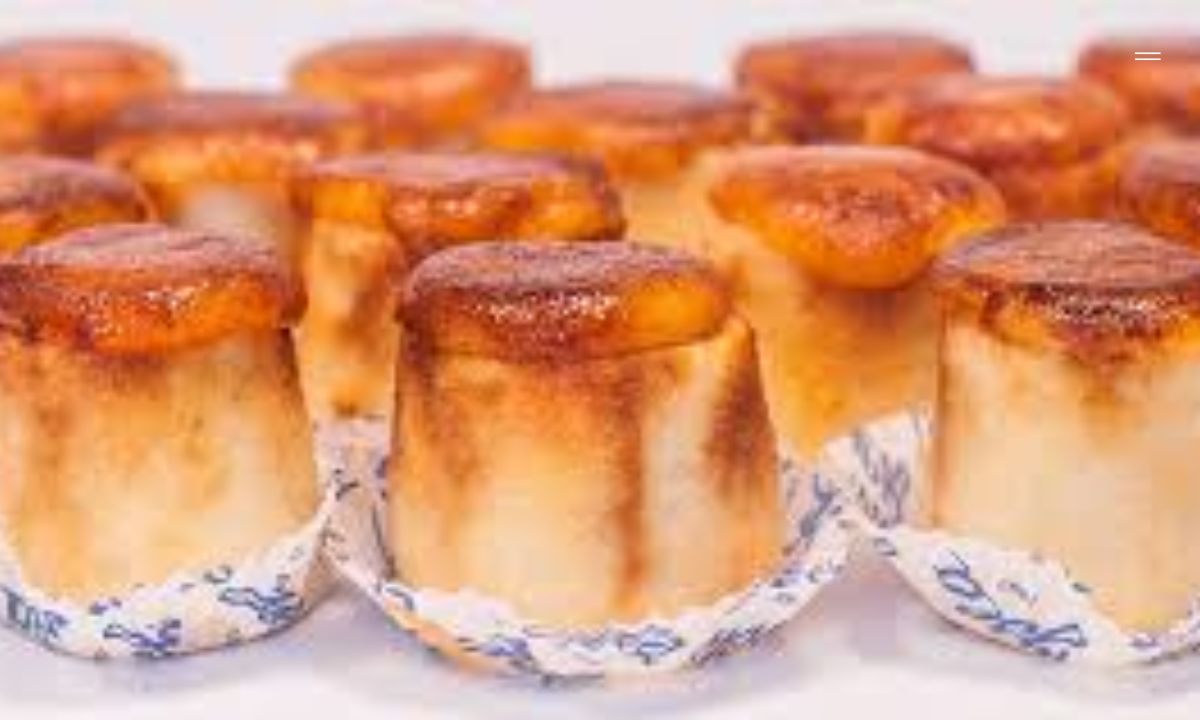

Finding the Best Piononos de Santa Fe can feel confusing when every bakery claims to offer the authentic version. Some are too dry, others are overly sweet, and many miss the delicate balance that made this dessert famous. The good news is that once you understand what a true pionono should taste like, spotting the best one becomes much easier. This guide explains everything clearly, from its history and ingredients to how to find the most authentic and delicious examples.
What Are the Best Piononos de Santa Fe?
The Best Piononos de Santa Fe are small, cylindrical Spanish pastries originating from the town of Santa Fe in Granada, Spain. They consist of a thin sheet of sponge cake rolled into a compact shape, soaked in sweet syrup, topped with rich cream, and lightly caramelized. The finest versions offer a soft texture, balanced sweetness, and a creamy topping that melts in your mouth.
A great pionono should never feel heavy. It should be moist, delicate, and packed with flavor in every bite.
Where Did Piononos de Santa Fe Come From?
To understand why these pastries are so beloved, it helps to know their story.
Piononos were created in the nineteenth century in the town of Santa Fe, near Granada in southern Spain. Local pastry chef Ceferino Isla González developed the dessert and named it after Pope Pius IX, known in Spanish as “Pío Nono.”
The pastry’s cylindrical shape is often said to resemble the pope’s head wearing a papal cap. While that may sound unusual, it helped create one of Spain’s most recognizable desserts.
This historical connection gives piononos a cultural significance that many modern pastries simply do not have.
Quick Comparison Table: Authentic vs Average Piononos
| Feature | Best Piononos de Santa Fe | Average Piononos |
| Texture | Moist and soft | Dry or crumbly |
| Syrup | Balanced sweetness | Overly sugary |
| Cream Topping | Smooth and rich | Heavy or artificial |
| Caramelization | Lightly toasted | Burnt or absent |
| Flavor Balance | Delicate and layered | One dimensional |
| Authenticity | Traditional recipe | Modern variation |
This simple comparison can help you identify quality before your first bite.
What Makes the Best Piononos de Santa Fe Special?
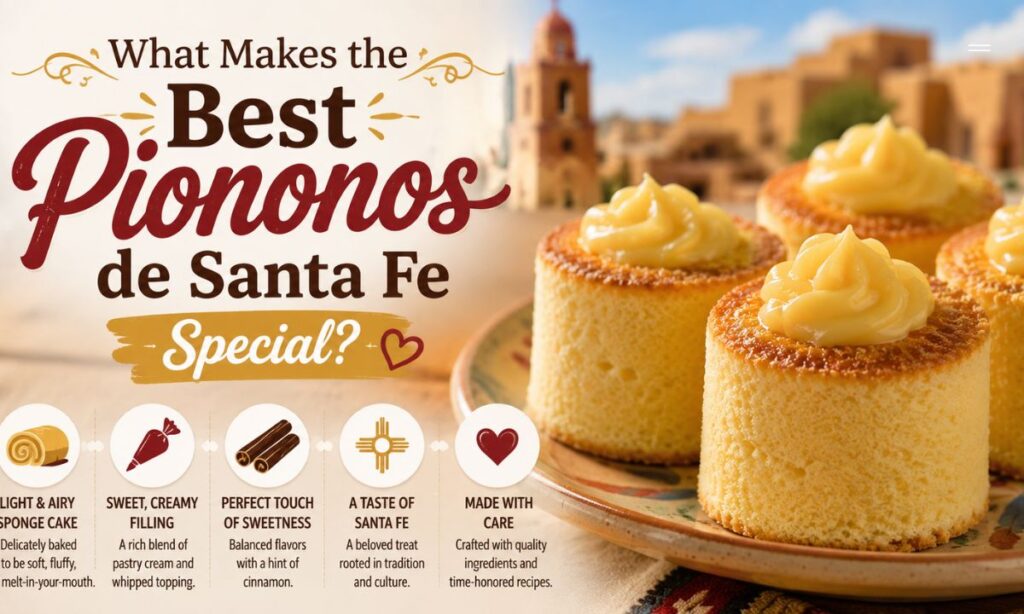
Many pastries are sweet. Few achieve the harmony found in a well made pionono.
The best versions combine:
- Soft sponge cake
- Light sugar syrup
- Velvety cream topping
- Gentle caramelized finish
Each layer contributes something different.
The cake provides structure. The syrup adds moisture. The cream delivers richness. The caramelized top introduces a subtle toasted note.
Together they create a dessert that feels elegant rather than overwhelming.
What Does an Authentic Pionono Taste Like?
People often expect an extremely sweet dessert.
Authentic piononos surprise many first time visitors because they are more balanced than expected.
The flavor includes:
- Vanilla notes
- Light caramel hints
- Creamy custard richness
- Moist sponge cake texture
Imagine a miniature cake that combines the softness of a sponge roll with the creamy satisfaction of a custard dessert.
That combination explains why visitors often buy a second one before leaving the bakery.
How Do You Find the Best Piononos de Santa Fe?
When searching for authentic piononos, focus on quality rather than marketing.
Look for bakeries that:
- Use traditional recipes
- Prepare pastries fresh daily
- Maintain a moist texture
- Lightly caramelize the topping
- Have strong local reputations
Freshness matters more than almost anything else.
A pionono prepared the same day will usually outperform one that has spent several days in storage.
Which Bakeries Are Most Famous for Piononos?
The name most closely associated with piononos is Casa Isla, the bakery linked to the dessert’s original creation.
Many visitors to Granada make a special trip to Santa Fe specifically to try piononos from this historic bakery.
Other respected pastry shops in Granada also produce excellent versions, but traditional establishments often provide the most authentic experience.
When possible, choose bakeries with a long history of making piononos rather than shops offering them as a side item.
Can You Make Piononos de Santa Fe at Home?
Yes, although recreating bakery quality requires patience.
The basic process involves:
- Baking a thin sponge cake
- Rolling and slicing the cake
- Soaking it in syrup
- Adding pastry cream
- Lightly caramelizing the top
The challenge is achieving the correct moisture level.
Too much syrup creates a soggy dessert. Too little leaves it dry.
That balance is why experienced pastry chefs make it look easier than it really is.
Common Mistakes People Make When Buying Piononos
Many buyers focus only on appearance.
That can lead to disappointment.
Common mistakes include:
- Choosing the largest pastry
- Assuming sweeter means better
- Ignoring freshness
- Buying from tourist focused shops only
- Overlooking traditional bakeries
Remember that authentic piononos are known for balance, not extreme sweetness.
Which One Should You Use for Special Occasions?
If you are selecting piononos for an event or gathering, consider your audience.
For traditional dessert lovers:
- Choose authentic Santa Fe style piononos
For guests who enjoy richer flavors:
- Select versions with slightly more cream
For afternoon coffee gatherings:
- Traditional piononos pair beautifully with espresso or cappuccino
Their small size also makes them ideal for celebrations because guests can enjoy one without committing to a large slice of cake.
Why Are Piononos Still Popular Today?
Many historic desserts fade over time.
Piononos continue thriving because they offer something modern desserts often lack.
They are:
- Small
- Elegant
- Rich without being overwhelming
- Deeply connected to Spanish history
Their cultural heritage, combined with their distinctive flavor, keeps them relevant generation after generation.
Real Life Example: What Visitors Usually Experience
Imagine walking into a traditional bakery in Santa Fe.
You see rows of small golden pastries topped with lightly caramelized cream.
You order one.
The first bite delivers moist sponge cake, silky cream, and gentle caramel notes. The second bite confirms the first was not luck.
By the third bite, you understand why these pastries have become famous far beyond Granada.
That experience is exactly what many visitors remember long after their trip ends.
Are Piononos Similar to Other Spanish Desserts?
While they share some ingredients with other pastries, piononos remain unique.
Unlike many cream filled cakes, they are:
- Smaller
- More syrup soaked
- Cylindrical in shape
- Finished with caramelized cream
Their texture and presentation set them apart from most traditional Spanish desserts.
Frequently Asked Questions
What are the Best Piononos de Santa Fe?
The best piononos are freshly made pastries featuring moist sponge cake, balanced syrup, creamy topping, and light caramelization, traditionally produced in Santa Fe, Granada.
Why are piononos called piononos?
They were named after Pope Pius IX, known in Spanish as Pío Nono, by pastry creator Ceferino Isla González.
Can tourists buy authentic piononos in Granada?
Yes. Many bakeries in Granada sell piononos, but traditional pastry shops connected to Santa Fe generally offer the most authentic versions.
Conclusion
The Best Piononos de Santa Fe combine history, craftsmanship, and flavor in one small pastry. Originating in Santa Fe near Granada, these syrup soaked sponge cakes topped with creamy caramelized custard remain one of Spain’s most beloved desserts. Whether you plan to visit Spain, search for authentic Spanish pastries, or try making them at home, understanding what makes a true pionono special helps you appreciate why this tiny dessert continues to win hearts around the world.

